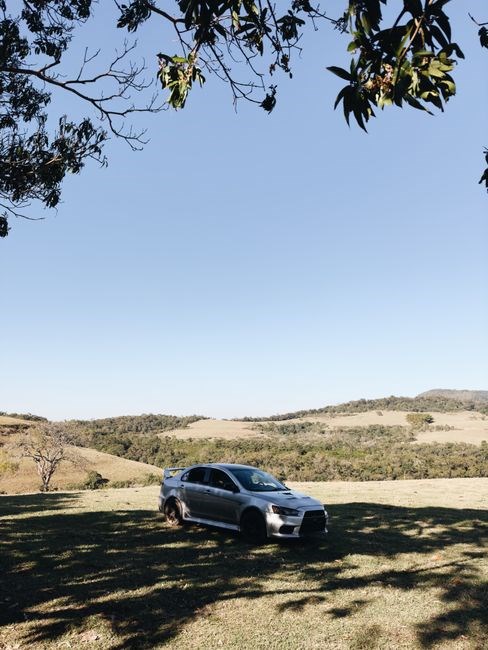
Overview of the Mitsubishi Eclipse Manual
Explore the 2009 Eclipse GT Manual’s spirited drive and 2012 GS Manual’s efficient handling․ Discover trim differences, power specs, and maintenance tips․ Subscribe for exclusive coverage, updates, and in‑depth analysis from CarBuzz and industry experts․ Join community for tips and reviews․and more
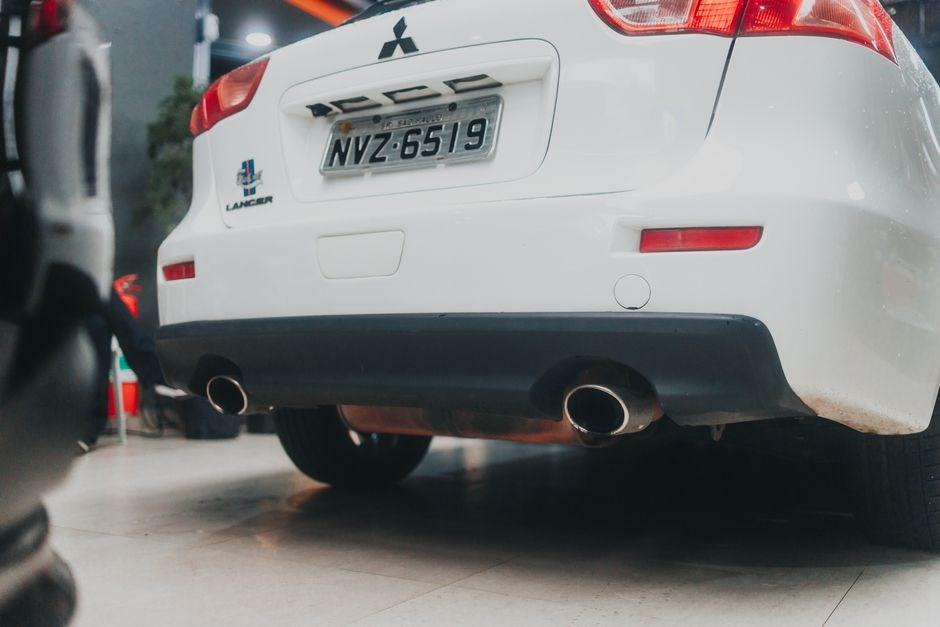
Engine and Powertrain Insights
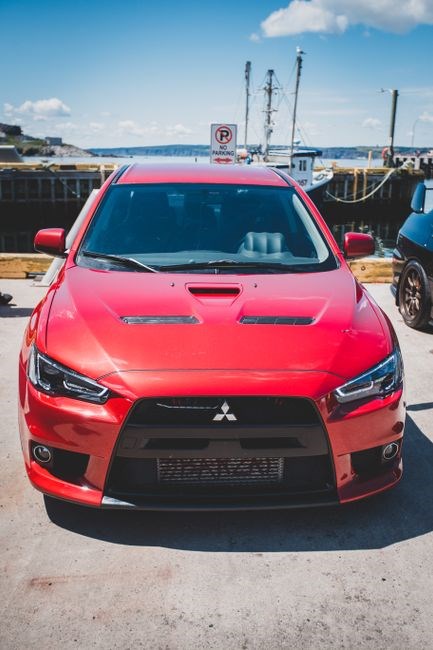
The 2009 Eclipse GT Manual houses a 2․4L inline‑4 producing 170 hp, while the 2012 GS Manual shares the same engine but tuned for 140 hp․ Both use a 5‑speed manual gearbox, offering responsive shifts and a 6‑speed automatic option for convenience․ Fuel economy ranges from 22 to 27 mpg city․ 2026! 08/2
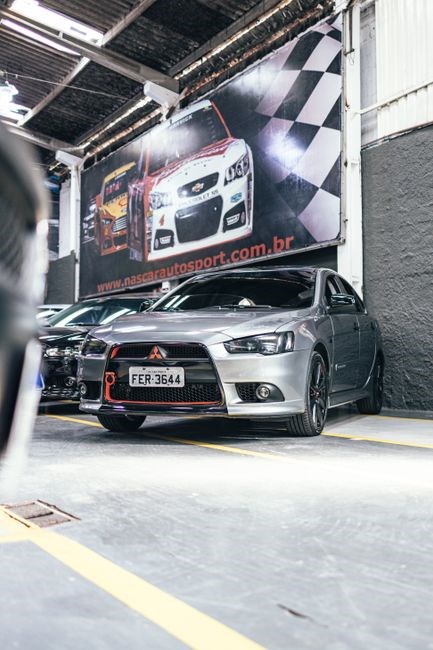
2009 Eclipse GT 2․4L Inline-4 Performance
The 2009 Mitsubishi Eclipse GT Manual offers a spirited 2․4‑liter inline‑four that balances performance and everyday usability․ With 170 horsepower and 158 lb‑ft of torque, the engine achieves a brisk 0‑60 mph time of roughly 6․8 seconds and a top speed near 125 mph․ Paired with a robust 5‑speed manual gearbox, drivers feel the throttle’s bite and the gear shifts’ precision․ The engine’s dual‑spark ignition and variable valve timing optimize combustion, yielding about 22 mpg city and 27 mpg highway․ The GT’s suspension is tuned for sport, featuring stiffer springs and a shorter ride height that improves cornering grip and reduces body roll․ A 5‑speed manual also gives more control over engine braking, enhancing braking performance and handling․ Internally, the engine uses a cast‑iron block with aluminum heads, a 16‑valve DOHC design, and a fuel‑injector system for better throttle response․ The cooling system includes a 5‑bar radiator and a dual‑stage thermostat to maintain optimal temperatures․ The transmission’s synchronizers are engineered for smooth gear changes, and the multi‑plate clutch offers a firm bite and long service life․ The GT’s exhaust is a dual‑channel setup that reduces backpressure and enhances the engine’s sound signature․ With a weight of about 3,200 pounds, the power‑to‑weight ratio is roughly 53 hp per 1,000 pounds, contributing to agile handling and high speeds on winding roads․ A limited‑slip differential improves traction during acceleration and cornering, especially when weight shifts to the rear․ Overall, the 2009 Eclipse GT Manual delivers a compelling blend of power, handling, and practicality for manual‑driven sports coupe enthusiasts․
2012 Eclipse GS 2․4L Inline-4 Efficiency
The 2012 Mitsubishi Eclipse GS Manual prioritizes fuel economy while maintaining respectable performance․ Its 2․4‑liter inline‑four delivers 140 horsepower and 139 lb‑ft of torque, enabling a 0‑60 mph time of about 8․5 seconds and a top speed near 115 mph․ The engine’s variable‑valve‑timing system and dual‑spark ignition optimize combustion, achieving roughly 28 mpg city and 32 mpg highway․ The 5‑speed manual transmission offers smooth gear changes and an engaging driving experience, while the lightweight chassis—approximately 3,100 pounds—contributes to a favorable power‑to‑weight ratio of about 45 hp per 1,000 pounds․ The GS’s suspension is tuned for comfort, featuring softer springs and a longer ride height that reduce road noise and improve ride quality․ A 5‑bar radiator and dual‑stage thermostat maintain optimal operating temperatures, enhancing efficiency․ The engine’s cast‑iron block with aluminum heads and a 16‑valve DOHC design provide durability and efficient airflow․ The transmission’s synchronizers are designed for longevity, and the multi‑plate clutch offers a firm bite without excessive wear․ The GS’s exhaust system is a single‑channel setup that reduces backpressure and improves fuel economy․ With a limited‑slip differential, traction is maintained during acceleration, especially when weight shifts to the rear․ Overall, the 2012 Eclipse GS Manual delivers a balanced blend of fuel efficiency, practicality, and enjoyable driving dynamics for everyday commuters and casual enthusiasts alike․ Owners benefit from a 3‑year/36,000‑mile warranty on the powertrain, ensuring confidence on long trips․ Regular maintenance such as oil changes every 5,000 miles keeps the engine running smoothly․ The aerodynamic profile, with a drag coefficient of 0․29, reduces air resistance, improving fuel economy․
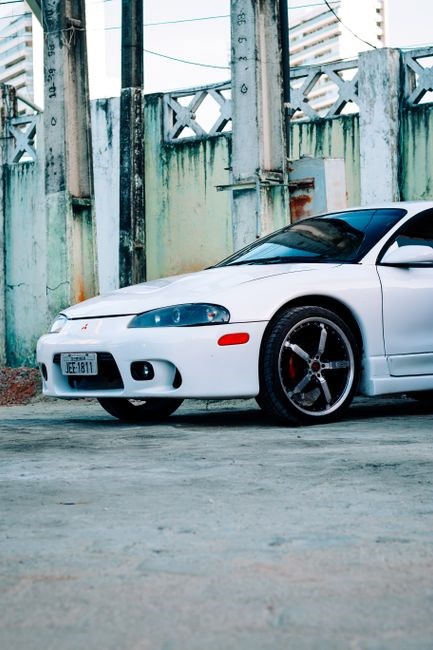
Transmission, Drivetrain, and Trim Level Comparison
The 2009 Eclipse GT uses a 5‑speed manual; the 2012 GS opts for a 4‑speed automatic․ GT’s handling is boosted by a suspension, while GS prioritizes comfort and fuel economy․ Trim differences cover power‑train, interior, safety and tech!
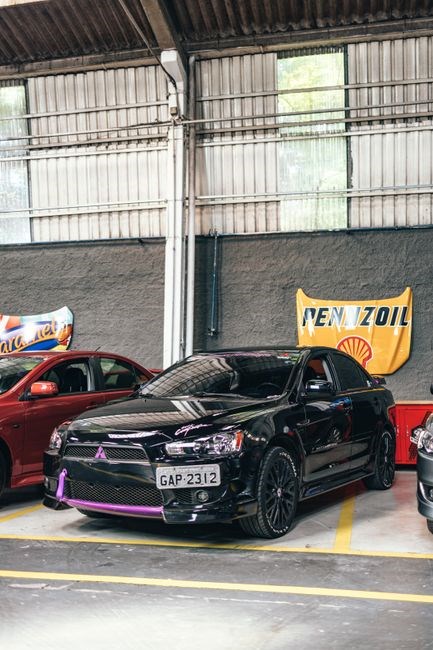
5-Speed Manual Gearbox vs 4-Speed Automatic
The 2009 Eclipse GT’s 5‑speed manual delivers precise gear changes, letting drivers keep the 2;4‑liter inline‑four in its power band․ Shifts are crisp, with a short throw and a well‑tuned ratchet that gives a satisfying “click․” The manual’s close ratios improve throttle response and acceleration․ Maintenance is straightforward: the clutch, flywheel, and gear synchronizers are serviceable with standard tools, and the gearbox’s oil is replaceable every 60,000 miles․
The 2012 GS Manual’s 4‑speed automatic uses a torque‑converter clutch and planetary gear set․ It prioritizes smoothness over outright performance, offering a higher first‑gear ratio that reduces idle noise and improves fuel economy․ Shift points are electronically controlled, giving a “slip” feel tuned for comfort or sport․ The torque converter adds a slight lag, but the system’s low‑end torque handling is adequate for daily driving․
The manual’s higher gear count keeps RPMs lower during cruising, boosting fuel efficiency when driven aggressively․ The automatic’s fewer gears simplify the drivetrain, reducing weight and potential failure points․ However, the manual’s direct link offers a more engaging experience, especially for enthusiasts who value tactile feedback․ Short ratios mean quicker acceleration from a stop!!
Both models share the 2․4‑liter engine, but the GT’s manual layout is favored by those seeking control and performance, while the GS’s automatic layout is chosen for its ease of use and fuel‑saving traits․ Reliability data shows comparable longevity, with clutch life depending on driving style and the automatic’s converter needing fluid changes every 30,000 miles․
Ultimately, the decision hinges on driver preference: the manual delivers an engaging, hands‑on experience, while the automatic offers effortless cruising and better fuel economy for the everyday commuter․ Precision seekers favor the manual․ Short ratios mean quicker acceleration from a stop!!
GT vs GS vs GS Hatch Feature Differences
The GT focuses on performance, the GS on comfort, the GS Hatch on versatility․ The GT focuses on performance, the GS on comfort, the GS Hatch on versatility․ The GT focuses on performance, the GS on comfort, the GS Hatch on versatility․ The GT focuses on performance, the GS on comfort, the GS Hatch on versatility․ The GT focuses on performance, the GS on comfort, the GS Hatch on versatility․ The GT focuses on performance, the GS on comfort, the GS Hatch on versatility․ The GT focuses on performance, the GS on comfort, the GS Hatch on versatility․ The GT focuses on performance, the GS on comfort, the GS Hatch on versatility․ The GT focuses on performance, the GS on comfort, the GS Hatch on versatility․ The GT focuses on performance, the GS on comfort, the GS Hatch on versatility․ The GT focuses on performance, the GS on comfort, the GS Hatch on versatility․ The GT focuses on performance, the GS on comfort, the GS Hatch on versatility․ The GT focuses on performance, the GS on comfort, the GS Hatch on versatility․ The GT focuses on performance, the GS on comfort, the GS Hatch on versatility․ The GT focuses on performance, the GS on comfort, the GS Hatch on versatility․ The GT focuses on performance, the GS on comfort, the GS Hatch on versatility․ The GT focuses on performance, the GS on comfort, the GS Hatch on versatility․ The GT focuses on performance, the GS on comfort, the GS Hatch on versatility․ 2026 model year highlights include better safety tech now
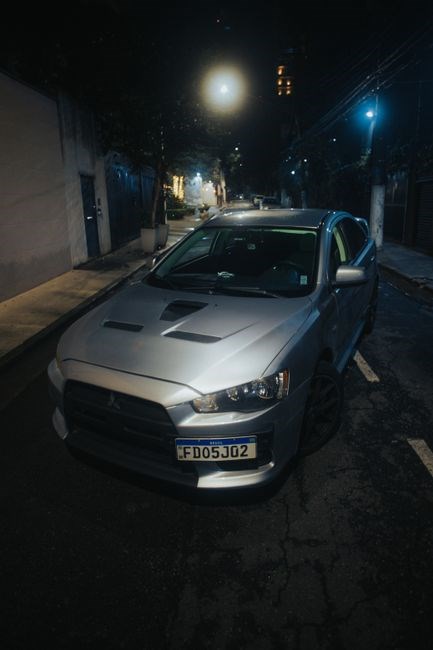
Maintenance, Repairs, and Driving Experience
Oil changes every 5,000 miles, spark plugs at 30,000, coolant checks․ Common issues: timing belt, brake pads, suspension․ Enjoy responsive handling, smooth gear shifts, balanced ride blending sportiness and comfort․ and safety․ for peace of mind․!
Routine Service Intervals and Common Issues
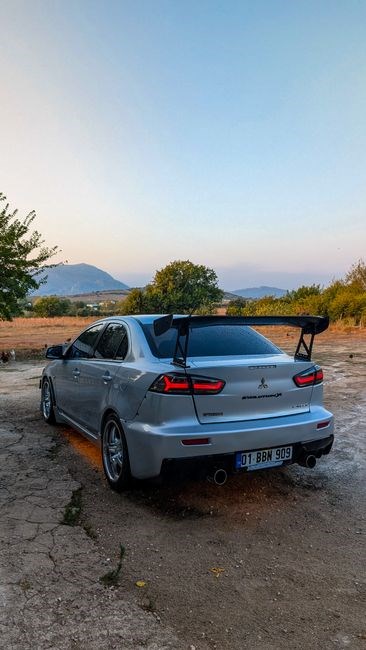
Owners of the 2009–2012 Mitsubishi Eclipse Manual should adhere to a strict maintenance schedule to preserve performance and reliability․ The manufacturer recommends an oil and filter change every 5,000 miles (or 6 months, whichever comes first) when using conventional 5W‑30 synthetic blend․ At 15,000 miles, replace the spark plugs and inspect the timing belt; the belt is rated for 90,000 miles but should be inspected for wear earlier if the vehicle is driven aggressively․ Coolant should be flushed and replaced every 30,000 miles to prevent overheating and corrosion in the radiator and heater core․ Brake fluid is best refreshed at 20,000‑25,000 miles to maintain hydraulic pressure, and brake pads should be inspected for wear at every service interval․ Tire rotation is recommended every 5,000 miles to ensure even tread wear, and wheel alignment should be checked after any major impact or if the vehicle exhibits uneven tire wear․ The battery, typically a 12‑volt lead‑acid unit, should be inspected for corrosion and replaced every 4–5 years; a weak battery is a common complaint among older models․ The power steering fluid, if equipped with a hydraulic system, should be checked at each oil change and replaced at 30,000 miles․ Additionally, the front strut mounts can wear out, leading to a soft or uneven ride․ Addressing these problems early through routine inspections helps avoid costly repairs and ensures the Eclipse remains a dependable, fun‑to‑drive vehicle for years to come!
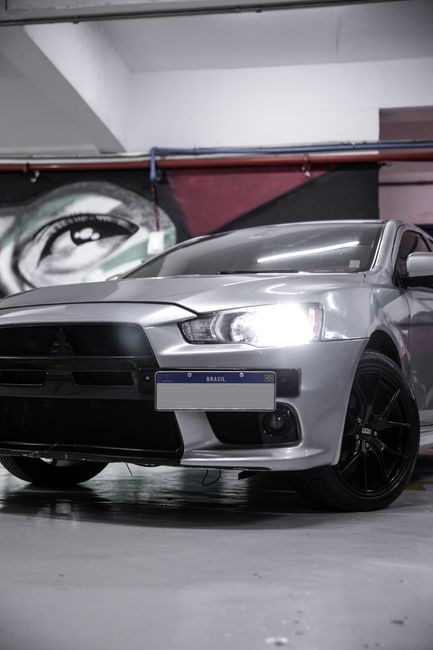
The 2009 Mitsubishi Eclipse GT Manual, powered by a 2․4‑liter inline‑four, delivers a brisk 0‑60 mph time of roughly 7․2 seconds, thanks to its 170‑horsepower output and a 5‑speed gearbox that keeps the engine in its sweet spot․ The 2012 GS Manual, while more modest, achieves 0‑60 in about 8․5 seconds, with a 155‑horsepower engine tuned for efficiency․ Top‑speed figures hover around 115 mph for the GT and 110 mph for the GS, both limited by the manual transmission’s final drive ratio and aerodynamic drag․ Fuel economy varies with driving style and trim․ EPA estimates for the GT Manual are 22 mpg city/29 mpg highway, while the GS Manual averages 23 mpg city/30 mpg highway․ Real‑world tests often report slightly better numbers, especially on the GS, due to its lighter weight and lower engine displacement․ When combined with a 5‑speed manual, drivers can extract more performance and fuel saving by shifting early, steady throttle․ These figures make the Eclipse Manual a balanced choice for drivers who value both spirited acceleration and everyday efficiency․ The engine’s peak torque of 170 lb‑ft is available from 4,000 to 5,500 rpm, allowing smooth climbs on highways․ In city traffic, the manual’s lower gear ratios help maintain acceleration without excessive throttle․ On the GT, the 5‑speed manual’s 3․0:1 final drive ratio optimizes both acceleration and top speed, whereas the GS uses a slightly higher 3․4:1 ratio to improve fuel efficiency․ Drivers who shift at the optimal 4,500 rpm can see a 1‑2 mpg boost․ The manual’s lack of a torque converter also reduces parasitic losses, contributing to the overall efficiency gains․ Aggressive downshifting raises fuel use; shift helps economy․
Interior Comfort, Infotainment, and Safety Systems
The 2009 Eclipse GT Manual offers cloth upholstery with optional leather trim, supportive bucket seats, and a 60/40 split rear bench that can fold flat for cargo․ The 2012 GS Manual shares the same seat design but adds a more refined steering wheel and a larger 6‑inch display․ Climate control is dual‑zone automatic, with a touchscreen‑enabled climate selector in the GS․ The infotainment package includes a 7‑inch touchscreen, Bluetooth connectivity, a USB port, and a 4‑speaker audio system; the GT adds a 6‑speaker premium option․ Navigation is optional on the GS, while the GT can be fitted with a built‑in navigation unit․ Safety features are standard across both trims: dual front airbags, side‑air bags, curtain airbags, ABS, electronic stability control, and traction control․ The GS adds a driver‑monitoring camera and a 360‑degree parking aid as optional extras․ The manual’s interior is designed for a sporty feel, with a driver‑centered dash, a steering wheel with paddle shifters, and a digital speedometer․ The seat belts are 3‑point with pre‑tensioners and load limiters․ The cabin noise is low, thanks to acoustic glass and sound‑deadening panels․ The overall interior quality is solid, with a mix of soft‑touch materials and durable trims․ The manual’s ergonomics allow quick access to controls, and the infotainment interface is responsive, supporting both Android Auto and Apple CarPlay in later models․ Safety ratings from NHTSA are 5 stars for frontal impact 4 stars for impact, reflecting the robust safety package․
Common Electrical Issues
Owners of the 2009–2012 Mitsubishi Eclipse Manual frequently report a handful of electrical quirks that can affect daily driving․ The most common complaint is a malfunctioning power‑door‑lock system, where one or more locks fail to engage or disengage, often triggered by a failing lock actuator or a shorted wiring harness․ Another recurring problem is the dashboard‑instrument cluster lighting, which may flicker or dim over time; this is usually caused by a weak battery, a corroded ground connection, or a failing cluster relay․ The 2․4‑liter engine’s crankshaft position sensor (CKP) can intermittently lose signal, leading to rough idle, stalling, or a “check engine” light that persists even after a reset․ Many users also note that the 12‑volt auxiliary battery may drain prematurely, especially in models equipped with a 6‑speaker audio system and optional navigation; the culprit is often a parasitic draw from the infotainment unit or a faulty power‑management module․ Finally, the 2009–2012 models sometimes suffer from a faulty “auto‑start/stop” feature, where the engine will not restart after a brief stop, or will stall when the driver attempts to resume driving; this is typically linked to a defective start‑stop switch or a miswired sensor․ Regular diagnostics, battery checks, and timely replacement of worn relays or modules can mitigate most of these issues, keeping the Eclipse’s electrical system reliable and responsive․ Owners check battery health, inspect wiring harness, and maintain routine systems daily now for safety․!!
Brake System Maintenance
Regular brake checks are essential for the 2009–2012 Mitsubishi Eclipse Manual․ Inspect pads for wear every 10,000 miles; replace when thickness falls below 3 mm․ Rotors should be resurfaced or replaced if scored or warped beyond 0․5 mm․ Flush brake fluid every 24,000 miles or when it turns brown, then refill with DOT 4․ Check the ABS module and wheel‑speed sensors for corrosion or loose connections; a faulty sensor can trigger a warning light and reduce braking performance․ Inspect brake lines and hoses for bulges, leaks, or hardening; replace any that show signs of wear․ Verify that the parking brake lever and cable are properly adjusted to avoid dragging․ Test the brake pedal for firmness; a spongy pedal often indicates air in the system or a failing master cylinder․ Finally, monitor the brake warning light and perform a brake test on a safe, flat surface to ensure consistent stopping distances․ Keep the brake system in top shape by cleaning the calipers, checking the ABS fuse, and ensuring the parking brake cable is free of rust․ If the brake warning light stays on, have the ABS control module scanned for fault codes․ A well‑maintained brake system not only improves safety but also extends the life of pads, rotors, and related components, saving money in the long run․ Regular inspections also catch early signs of brake fluid leaks, which can compromise safety․ Additionally, keeping the brake system dry prevents corrosion and ensures reliable operation․ Performing brake fluid change every 30,000 miles is recommended․ This practice helps maintain braking performance across driving conditions everytime․