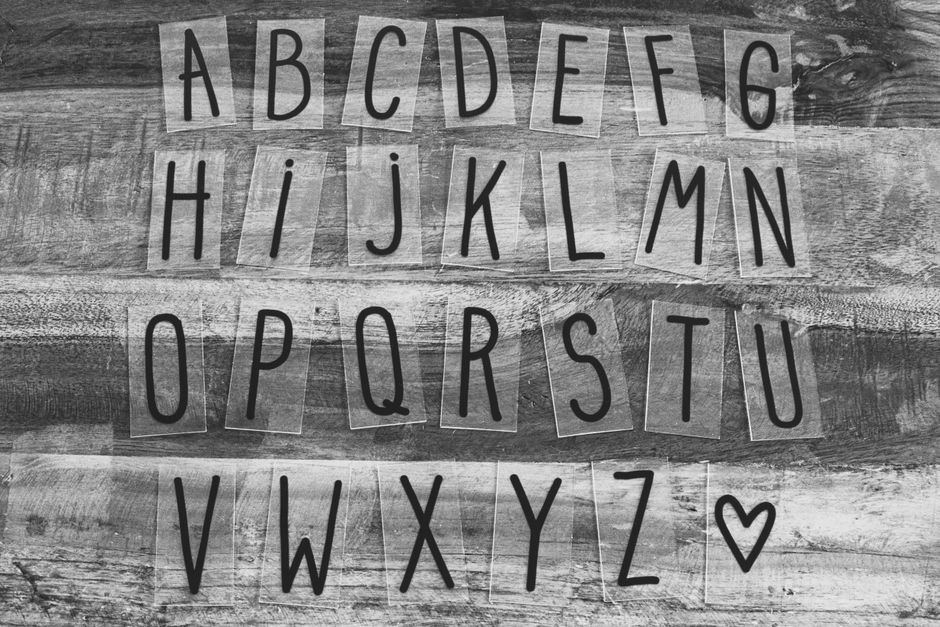
Overview of Alphabet Chart PDFs
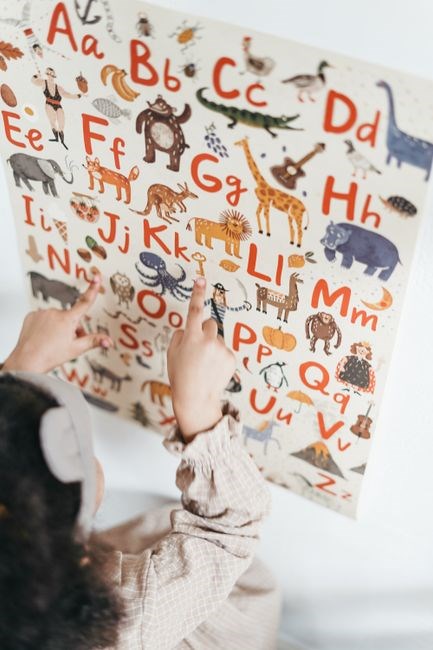
Alphabet chart PDFs offer free, printable resources for teaching the 26 letters. They combine uppercase, lowercase, and colorful clipart to aid letter recognition and phonics. Parents, teachers, and homeschoolers can download these PDFs to support early literacy and engaging learning. Use them daily learning..
Definition and Purpose
An alphabet chart PDF is a digital, printable sheet that displays the 26 letters of the English alphabet, often in both uppercase and lowercase forms. These charts serve as foundational tools for early literacy, providing visual cues that help learners recognize letter shapes, associate sounds, and build phonemic awareness. By offering a clear, organized layout, they enable educators and parents to introduce letters gradually, reinforcing learning through repetition and hands‑on activities. Many PDFs incorporate engaging imagery—such as animals, objects, or actions—paired with each letter to create memorable connections. This visual pairing supports memory retention and encourages children to explore language playfully. Additionally, alphabet chart PDFs can be customized: educators can add color coding, stroke guides, or phonetic symbols to match specific teaching strategies. The purpose extends beyond simple recognition; these resources foster a love of learning, promote confidence in early reading skills, and serve as reference tools for classroom displays or home study spaces. By making the alphabet accessible in a printable format, they bridge the gap between digital learning and tactile interaction, allowing children to trace letters, match sounds, and engage in multisensory exploration. Ultimately, alphabet chart PDFs are versatile aids that support foundational literacy development, scaffold learning experiences, and provide a consistent visual anchor for both teachers and learners. They align letters with images boosting recall now during reading.

Types of Alphabet Charts
Alphabet chart PDFs come in several styles: uppercase/lowercase sheets, picture‑rich charts, and phonics‑focused layouts. Each type supports different learning goals, from basic letter shapes to sound associations and visual memory cues. Ideal for walls, it offers reference.
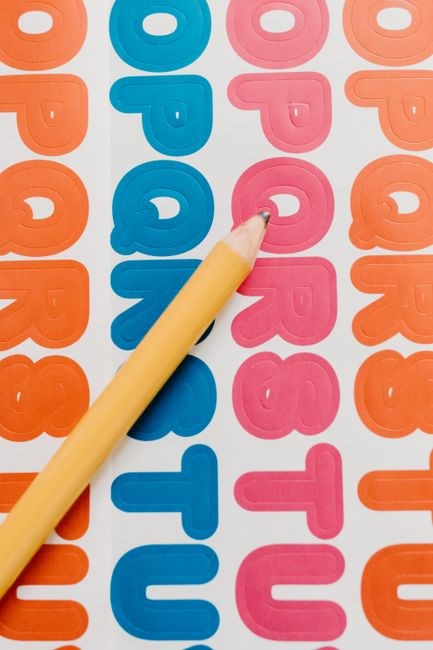
Uppercase and Lowercase Charts!!!!!!!
Free printable alphabet PDFs provide both uppercase and lowercase letter sheets, allowing learners to see the distinct shapes and sizes of each character. The charts often feature bold, clear typefaces that highlight the contrast between capital and small forms, making it easier for children to recognize and reproduce them. Many designs incorporate matching clipart images that correspond to each letter, reinforcing visual memory and encouraging engagement. By pairing a picture with its letter, students can associate the symbol with a real‑world object, which supports early literacy development. Teachers and parents can use these charts as quick reference tools on classroom walls or in home study spaces. The dual‑letter format also helps with phonics instruction, as students can practice the sound of a letter in both its uppercase and lowercase contexts. Additionally, printable PDFs allow for customization: educators can add color, adjust font sizes, or insert additional notes to suit individual learning needs. Overall, uppercase and lowercase charts serve as foundational resources for building letter recognition, writing practice, and phonemic awareness.
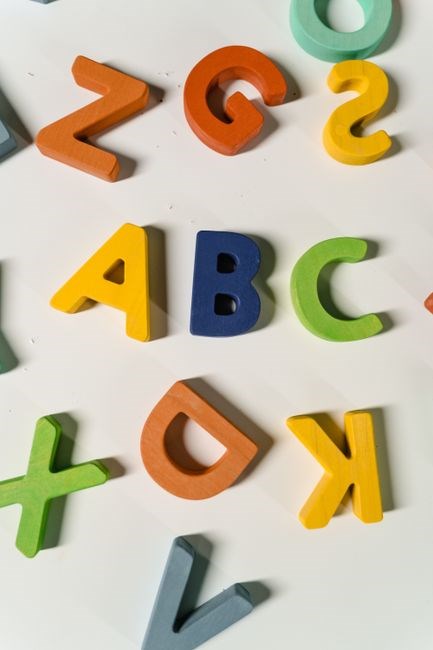
When printed on high‑quality paper, these charts become durable and aids that can be laminated and for repeated use.!
Many free PDF collections include color‑coded sections, allowing learners to group letters by phonetic families or by visual similarity.
Some charts provide order diagrams, guiding students to write each letter.
This visual cue supports fine‑motor skill development.
Picture-Based Charts
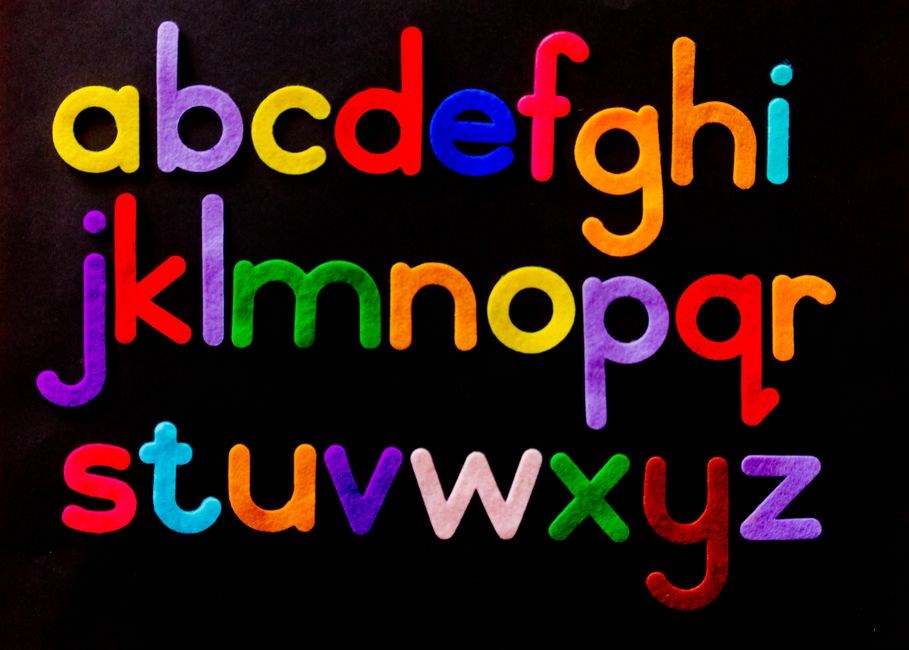
Picture‑based alphabet PDFs pair each letter with a vivid illustration, turning abstract symbols into memorable visual cues. These charts often showcase common nouns—apple for A, ball for B, cat for C—so that learners can instantly associate the shape with a real object. The images are typically bright, child‑friendly, and printed in large format, making them ideal for classroom walls or home study areas. By linking a picture to its letter, students reinforce phonemic awareness; the visual anchor helps them recall the sound when reading or writing. Many free PDF collections also include a stroke‑order guide beneath each letter, showing the correct sequence of lines, which supports fine‑motor development and proper writing technique. Educators can use these charts as quick reference tools during lessons, or as a basis for interactive activities such as matching games, sorting, or story‑building exercises. Because the PDFs are downloadable, parents and teachers can print multiple copies, laminate them for durability, or customize the layout with color coding or additional notes. Picture‑based charts are especially effective for early‑stage learners who benefit from concrete, multimodal input, and they serve as a bridge between visual memory and linguistic skill, fostering a stronger foundation for reading and spelling. These charts are versatile tools that can be adapted for various learning styles, making them a staple in early childhood education and literacy programs worldwide. Teachers use them to track progress and celebrate daily milestones.
Phonics and Sound Charts
Phonics‑centric PDF charts integrate each letter with its primary sound, offering a clear auditory map for learners. By aligning the letter A with the /æ/ or /ɑ/ sound, B with /b/, and so forth, these charts guide students through the systematic relationship between graphemes and phonemes. Many free PDFs feature a dual‑column layout: the left column lists uppercase and lowercase letters, while the right column presents the corresponding phonetic symbol or a short word example that illustrates the sound. This visual‑aural pairing reinforces memory, enabling children to decode unfamiliar words by sounding out letters. Educators often print these charts and place them on classroom walls, allowing students to reference them during reading activities, spelling drills, or phoneme‑segmenting games. The inclusion of a “sound‑matching” section—where students can drag or circle the correct letter for a given phoneme—adds an interactive dimension that can be adapted for digital use. Additionally, many PDFs provide a “sound‑sequence” guide, showing how to blend individual phonemes into a complete word, which is essential for early reading fluency. Because the charts are downloadable, teachers can customize the color scheme or add extra phoneme examples to match curriculum standards. In home settings, parents can use these PDFs to reinforce phonics lessons, ensuring consistency between school and home learning environments. Overall, phonics and sound charts serve as a foundational tool for developing decoding skills, improving reading accuracy, and building confidence in early literacy.

Educational Benefits
Alphabet PDF charts boost early literacy by fostering letter recognition, phonemic awareness, and decoding skills. Visual cues and sound pairings help children internalize letter‑sound relationships, supporting confident reading and writing development;Boosts reading growth
Letter Recognition Development
Alphabet chart PDFs provide a clear, visual reference that helps children quickly recognize letters in both uppercase and lowercase. By pairing each character with a familiar image and a simple stroke guide, learners can see the shape, trace it, and immediately associate it with a real‑world object, reinforcing memory. The charts encourage gradual introduction: start with a small set of letters, repeat them across worksheets, flashcards, or oral games, then expand to the full alphabet. Repetition in varied contexts—on the chart, in printed activities, or during storytelling—solidifies recognition. Phonetic labels next to each letter link the visual symbol to its sound, supporting early decoding. Because the PDFs are free and printable, teachers and parents can size them for posters, handouts, or classroom displays, ensuring the visual cue is always accessible. Consistent use turns the chart into a familiar anchor that children can consult independently, boosting confidence and fostering a love of learning. Moreover, the charts can be integrated into daily routines—such as morning greetings, snack time, or bedtime stories—so that letters appear in natural, meaningful contexts. This constant exposure helps children internalize letter shapes and sounds, making the learning process feel effortless and enjoyable. Tracing letters reinforces motor skills and confidence. Teachers can customize colors for each letter.
Phonemic Awareness Enhancement
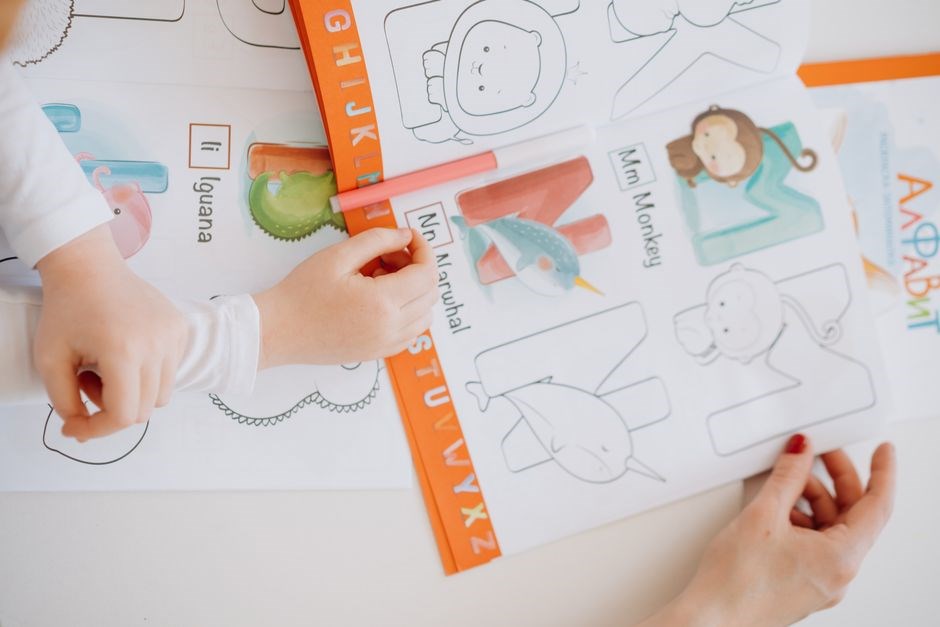
Alphabet chart PDFs are an essential tool for building phonemic awareness, the ability to hear, identify, and manipulate individual sounds in spoken words. By displaying each letter alongside its primary phoneme, learners can quickly associate visual symbols with auditory cues. The charts often include simple, high‑frequency images that reinforce the sound such as a cat for /k/ or a dog for /d/. Educators can use these visuals to conduct sound‑matching games: students point to the letter that matches a spoken sound or they trace the letter while the teacher repeats the phoneme. Repetition across multiple contexts—reading aloud, writing exercises, or digital apps—strengthens neural pathways that link letters to sounds. The PDFs’ printable nature allows teachers to create flashcards, movable letter tiles, or interactive worksheets that isolate specific phonemes for practice. For example, a worksheet might ask students to group all letters that produce the /s/ sound fostering discrimination skills. Additionally, many charts include brief phonetic symbols or sound labels providing a quick reference for both children and adults. When used consistently these resources help students develop the foundational skills needed for decoding, spelling, and ultimately fluent reading. Parents can reinforce lessons at home by pointing to the chart during daily routines turning ordinary moments into phonemic practice. Teacherscan integrate thecharts into phonics lessons by highlighting blends and digraphs encouraging blend soundsinto words!
Download Sources
Free printable alphabet PDFs are available from several online libraries. Sites like Education;com, Teachers Pay Teachers, and OpenStax offer downloadable charts in PDF format. Simply search “free alphabet chart PDF” and choose a design that fits your classroom or home use. Print for classroom or home use daily.
Free Printable Libraries
Numerous online repositories provide free, high‑quality alphabet chart PDFs that educators and parents can download instantly. Popular resources include Education.com, where a searchable gallery offers printable charts with uppercase, lowercase, and phonetic symbols. Teachers Pay Teachers hosts a variety of free PDFs, often contributed by volunteer educators, featuring colorful illustrations and interactive elements. OpenStax and the National Center for Learning Disabilities also supply alphabet charts that emphasize accessibility and inclusive design. Each library typically offers multiple formats—PDF, Word, and sometimes interactive PDF—allowing users to customize fonts, colors, and layout. To find the best fit, search for “free alphabet chart PDF” and filter by license type; many sites provide charts under Creative Commons or public‑domain licenses, ensuring no copyright restrictions for classroom use. Once downloaded, the PDFs can be printed on standard paper or laminated for durability. Teachers can incorporate the charts into lesson plans, while parents can use them at home to reinforce letter recognition during daily routines. By leveraging these free printable libraries, educators save time and resources while providing engaging, visually appealing materials that support early literacy development.!
Usage Tips and Strategies
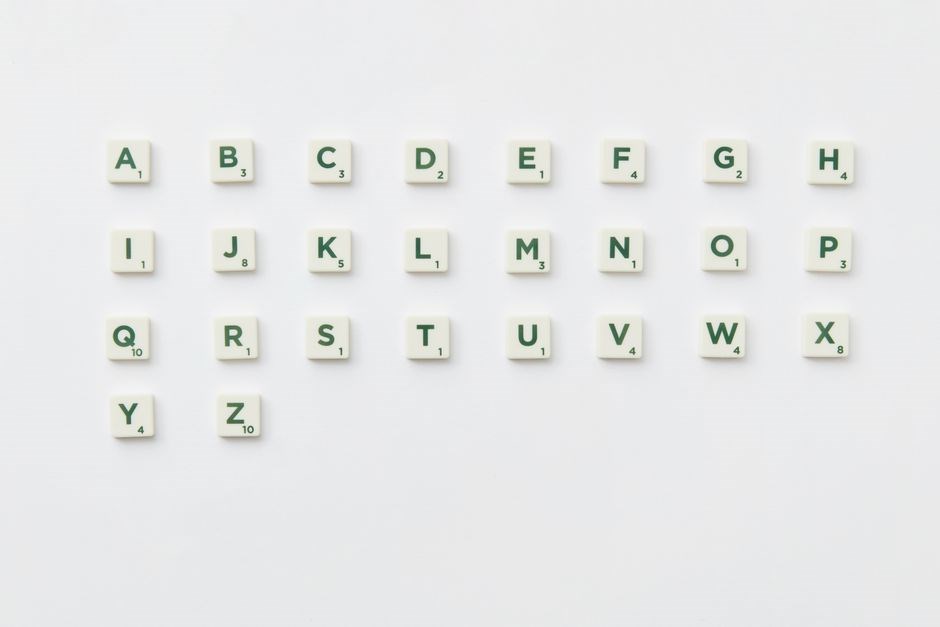
Print the chart on sturdy paper, then laminate for repeated use. Place it near the child’s workspace so it’s visible during activities. Rotate letters weekly, pairing each with a picture or object to reinforce sound recognition. Use stickers or magnets to highlight progress.
Begin by selecting a handful of letters—often three to five—that are visually distinct and phonetically simple. Introduce each letter with its uppercase and lowercase forms, pairing them with a familiar picture that reinforces the sound. For example, pair “A” with an apple, “B” with a ball, and “C” with a cat. Use the printable PDF chart to display these letters prominently on the learning area, ensuring the child can see them during play and practice. After the child can identify and pronounce each letter, move to the next set, repeating the same process. This incremental approach prevents cognitive overload and builds confidence. Encourage the child to trace the letters on lined paper, using the stroke guides from the chart, and to say the sound aloud. Incorporate short, multisensory activities such as singing the alphabet song, creating a letter collage, or using magnetic letters on a fridge. Keep the introduction pace flexible; if a child struggles with a particular letter, pause and revisit it before advancing. Over time, the child will have mastered the entire alphabet, ready to tackle phonics, word building, and early reading skills. Consistency, repetition, and positive reinforcement are key to successful gradual letter introduction.
Assign a letter of the week to give focused attention. Display the chosen letter prominently on the chart and create a themed activity each day—draw the letter with crayons, find objects that start with the sound, or sing a short song. This concentrated practice reinforces memory and helps the child link the visual form to its phonetic value.
Integrate technology by scanning the PDF chart into a tablet app that allows the child to tap letters and hear the corresponding sound. Interactive quizzes can be added to the app, letting the child match letters to pictures or to spoken words. This multimodal approach caters to visual, auditory, and kinesthetic learners, reinforcing the gradual learning curve.
Keep a progress chart beside the alphabet chart, marking each letter once the child writes it correctly. Celebrate milestones with stickers, reinforcing positive behavior. Review the chart weekly to spot letters needing extra practice, ensuring gradual introduction stays effective.
Finally, play an alphabet game: arrange letters in order or match them to a picture. This fun activity turns the gradual introduction into a moment, confidence.
During reading, point to letters in words to reinforce their sounds. Links chart to gradualthe introduction!
Interactive Activities
Engage learners by turning the PDF chart into a hands‑on game. Print the chart on a large sheet and cut out individual letter cards. Place the cards face down and let children flip two at a time, searching for matching uppercase and lowercase pairs. When a match is found, the child says the letter’s sound aloud, reinforcing phonemic awareness. This simple memory game keeps the chart alive in a playful context.
For a sensory twist, use the chart as a “letter‑hunt” in the classroom or home. Hide laminated letter stickers around the room and provide a small checklist from the PDF. As each letter is found, the child marks it on the chart, creating a sense of accomplishment. Pair the hunt with a short rhyme that mentions the letter’s sound, so the child hears the phoneme each time they locate the symbol.
Incorporate technology by scanning the PDF into a tablet app that offers drag‑and‑drop activities. Children can drag the printed letter onto a matching picture from the chart, or match the picture to the letter. The app can provide instant audio feedback, saying the letter’s name and sound, which supports auditory learning. This blended approach meets visual, tactile, and auditory needs.
Finally, use the chart for a “letter‑of‑the‑day” challenge. Each day, highlight a new letter on the PDF and create a themed worksheet that asks children to write the letter, draw an object that starts with it, and circle the sound in a short sentence. By rotating the focus, the chart remains fresh and encourages daily interaction. Use it daily for best results, see improvement!!