
A genuine smile radiates positivity, instantly brightening your surroundings and elevating your overall mood; it’s a powerful, universal language.
Smiling fosters connection, builds trust, and creates a welcoming atmosphere, significantly impacting social interactions and personal well-being.
However, achieving a natural smile isn’t always effortless for everyone, requiring conscious effort and understanding of its nuances.
This exploration delves into techniques and insights to unlock the art of a truly authentic and captivating smile.
Why Smiling Matters
Smiling transcends mere facial expression; it’s a fundamental aspect of human communication and well-being, deeply interwoven with our social and emotional lives.
The act of smiling triggers a cascade of neurological responses, releasing endorphins – natural mood boosters – that alleviate stress and promote feelings of happiness and contentment.
Beyond personal benefits, smiling profoundly impacts how others perceive us, fostering trust, approachability, and positive rapport. A warm smile can instantly diffuse tension and create a more welcoming environment.
Research demonstrates that smiling is contagious, inspiring reciprocal smiles in those around us, thereby amplifying positive emotions and strengthening social bonds. It’s a powerful tool for building connections and fostering a sense of community.
Furthermore, smiling can even have physiological benefits, potentially lowering blood pressure and boosting the immune system. It’s a simple yet potent act with far-reaching consequences for both individual and collective well-being.
Ultimately, smiling isn’t just about showing happiness; it’s about creating it.
The Goal: A Natural, Genuine Smile
The ultimate aim isn’t simply to display a smile, but to cultivate a natural, genuine expression of joy and warmth that radiates authenticity. Forced smiles often appear strained and can even convey insincerity, diminishing their positive impact.
A truly genuine smile engages not only the muscles around the mouth but also the eyes, creating the characteristic “Duchenne smile” – a hallmark of sincere happiness. This involves the contraction of the orbicularis oculi muscle, causing crow’s feet to appear.
The pursuit of a natural smile involves understanding your own facial anatomy and learning to activate the appropriate muscles without conscious effort. It’s about tapping into genuine positive emotions and allowing them to manifest organically.
This isn’t about achieving perfection, but about embracing imperfections and allowing your unique personality to shine through. A slightly crooked smile or a few wrinkles can add character and authenticity.
The goal is a smile that feels comfortable, effortless, and reflects your inner state, fostering genuine connection and positive interactions with others. It’s a reflection of your true self.

Understanding Your Smile Muscles
Facial muscles orchestrate every smile, with key players like the zygomaticus major and orbicularis oculi working in harmony to create expression.
Understanding their roles unlocks the secrets to a more authentic and controlled smile.
The Role of the Zygomaticus Major
The zygomaticus major is a crucial facial muscle directly responsible for pulling the corners of your mouth upwards, creating the fundamental shape of a smile. Originating from the zygomatic bone – the cheekbone – and inserting into the corner of the lips, its contraction is what visibly elevates and widens your smile.
However, simply contracting this muscle doesn’t guarantee a genuine expression. A forced or unnatural smile often relies solely on the zygomaticus major, appearing stiff and lacking warmth.
To achieve a more natural look, it’s essential to engage other facial muscles alongside it. Consciously focusing on relaxing the surrounding muscles and allowing the zygomaticus major to work in coordination with them will result in a softer, more believable smile.
Think of it as the foundation upon which a truly radiant smile is built, requiring support from other key players for optimal effect.
The Orbicularis Oculi and Duchenne Smiles
The orbicularis oculi, the muscle surrounding the eyes, plays a pivotal role in distinguishing a genuine smile – known as a Duchenne smile – from a forced one. A true Duchenne smile isn’t just about the mouth; it involves the contraction of this muscle, causing the skin around the eyes to crinkle and create “crow’s feet”.
This eye involvement is incredibly difficult to consciously replicate, making it a reliable indicator of authentic happiness. Simply activating the zygomaticus major (lifting the mouth) isn’t enough; the eyes must participate to convey genuine emotion.
Practicing engaging the orbicularis oculi – by imagining something truly joyful – can help you cultivate a more authentic smile. Focus on the feeling of warmth and happiness radiating from your eyes, allowing the muscle to contract naturally.
This subtle yet powerful element elevates a smile from pleasant to truly captivating.
How Facial Muscles Contribute to Authenticity
Authenticity in a smile isn’t solely about the zygomaticus major lifting the corners of your mouth; it’s a complex interplay of numerous facial muscles working in harmony. Subtle movements in the cheeks, forehead, and even the nose contribute to a genuine expression of joy.
These micro-expressions are often unconscious and difficult to fake, signaling to others that your smile is sincere. A forced smile tends to isolate the mouth, lacking the holistic engagement of the entire face.
Becoming aware of these subtle muscle movements – through observation and practice – can help you cultivate a more natural and believable smile.
Focus on relaxing your entire face, allowing your emotions to flow freely and naturally activate the appropriate muscles. A relaxed, engaged face is the foundation of an authentic smile.

Techniques for a More Natural Smile
Unlocking a genuine smile involves tapping into positive emotions; recall cherished memories, practice positive self-talk, and mirror your expression.
These techniques cultivate authenticity and ease, transforming a forced grin into a radiant, heartfelt expression.
Recall Happy Memories
To genuinely smile, consciously revisit moments brimming with joy and positive emotion. Close your eyes and immerse yourself in the details – the sights, sounds, and feelings associated with that cherished memory.
Allow the warmth of the recollection to naturally lift your spirits and curve the corners of your mouth. This isn’t about trying to smile; it’s about letting the memory evoke a genuine reaction.
Think of a beloved pet, a funny anecdote shared with a friend, a breathtaking landscape, or a personal accomplishment. The more vivid the memory, the more authentic your smile will become.
Focus on the positive sensations and emotions tied to the experience, and let them radiate outwards. This technique bypasses the conscious effort of smiling, resulting in a more natural and believable expression.
Regularly practicing this can strengthen the connection between positive thoughts and a genuine smile, making it easier to access in any situation.
The Power of Positive Self-Talk
Transform your inner dialogue to cultivate a more radiant smile. Replace negative self-criticism with affirmations that boost your confidence and self-esteem. Tell yourself you are worthy of joy and happiness.
Practice speaking kindly to yourself, acknowledging your strengths and celebrating your accomplishments, no matter how small. This internal shift directly impacts your external expression.
Before facing a situation where you want to smile, mentally rehearse positive statements like, “I am approachable and friendly,” or “I have a warm and inviting smile.”
This proactive approach primes your mind and body for a genuine expression. Positive self-talk reduces anxiety and self-consciousness, allowing your natural smile to emerge effortlessly.
Consistent practice of positive affirmations rewires your brain, making optimism and a cheerful disposition more habitual, and ultimately, more visible in your smile.
Practice in Front of a Mirror

Utilize a mirror as your personal smile coach. This allows for direct observation and refinement of your expression, identifying areas for improvement and building confidence.
Begin by simply practicing different smiles – a closed-mouth smile, a full-toothed grin, and variations in between. Pay attention to which feels most natural and authentic to you.
Observe the muscles in your face as you smile. Notice how your cheeks lift, your eyes crinkle, and your mouth curves. This awareness enhances muscle memory and control.
Experiment with different emotions while smiling. Try recalling a happy memory or thinking of someone you love to evoke a genuine expression.
Record yourself smiling and analyze the footage. This provides valuable feedback and helps you identify any awkwardness or forced elements. Consistent practice leads to a more natural and captivating smile.

Improving Your Smile for Photos
For flattering photos, discover your best angle, relax your jaw, and avoid simply saying “cheese”—instead, think of something joyful and genuine!
These techniques will help you capture a more natural and radiant smile that truly reflects your personality and happiness.
Finding Your Best Angle
Discovering your most photogenic angle is crucial for a naturally appealing smile in pictures. It’s rarely head-on; most people have a side that’s more flattering.
Experiment by taking several selfies, rotating your face slightly to the left and then to the right with each shot.
Pay attention to how the light hits your face from different positions, as this can dramatically alter your appearance.
Observe which angle minimizes shadows, highlights your cheekbones, and creates a more balanced and symmetrical look.
Slightly tilting your chin down can also help define your jawline and prevent a double chin effect, contributing to a more confident smile.
Don’t be afraid to practice in front of a mirror to become more aware of your facial structure and how different angles affect your overall appearance.
Remember, the goal is to find an angle that feels comfortable and showcases your smile in the most flattering light.
Relaxing Your Jaw
A tense jaw is a common culprit behind forced or unnatural smiles in photographs. Releasing this tension is key to achieving a genuine, relaxed expression.
Before smiling, gently massage your jaw muscles in circular motions to loosen them up. Open and close your mouth slowly a few times, widening the range of motion.
Imagine your jaw is heavy and allow it to drop slightly, letting gravity do the work. This helps release any unconscious clenching.
Try subtly sticking your tongue to the roof of your mouth; this naturally lifts the cheeks and softens the jawline.
Focus on breathing deeply and evenly, as this can help calm your entire body, including your jaw muscles.
Avoid consciously forcing a smile; instead, think of something pleasant to evoke a natural expression.
Practice this relaxation technique regularly to make it second nature, ensuring a more comfortable and authentic smile.
Saying “Cheese” Alternatives
The traditional “cheese” often results in a strained, unnatural smile. It forces the mouth into a rigid position, lacking genuine warmth.
Instead, try thinking of something genuinely funny or heartwarming. Recall a cherished memory or a silly inside joke.
Use words that evoke positive emotions, such as “money,” “pizza,” or even a loved one’s name. These can trigger a more authentic reaction.
Focus on a specific, pleasant detail in the environment – a beautiful color, an interesting texture, or a friendly face.
Another effective technique is to think about the feeling of happiness itself, rather than trying to make a smile.
Experiment with saying a silent “ha” or “woo” – these shapes naturally lift the cheeks and create a more relaxed expression.
Ultimately, the goal is to bypass the conscious effort of smiling and tap into genuine positive emotions.

Oral Hygiene and Smile Health
Maintaining excellent oral hygiene is paramount for a radiant smile; brushing and flossing are fundamental practices for lasting results;
Regular dental checkups and professional cleanings prevent cavities and ensure optimal oral health, contributing to a confident grin.
Brushing Techniques for a Brighter Smile
Effective brushing is the cornerstone of a healthy, vibrant smile, going beyond simply moving the brush across your teeth. Employing the correct technique maximizes plaque removal and minimizes potential damage to gums and enamel.
Dentists recommend using a soft-bristled toothbrush and fluoride toothpaste. Hold the brush at a 45-degree angle towards the gumline, utilizing gentle, circular motions. Avoid aggressive scrubbing, which can erode enamel and irritate gums.
Focus on brushing each tooth individually, ensuring you reach all surfaces – the front, back, and chewing surfaces. Spend at least two minutes brushing, dividing your mouth into quadrants and dedicating 30 seconds to each. Don’t forget to gently brush your tongue to remove bacteria and freshen breath!
Consider utilizing an electric toothbrush with a built-in timer for optimal brushing duration and effectiveness. Replace your toothbrush every three months, or sooner if the bristles become frayed, to maintain optimal cleaning power.
The Importance of Flossing
Flossing is an absolutely crucial, yet often overlooked, component of comprehensive oral hygiene. While brushing effectively cleans tooth surfaces, it cannot reach the tight spaces between teeth where plaque and food particles accumulate.
Daily flossing removes these hidden debris, preventing the formation of cavities and gum disease. Use approximately 18 inches of floss, wrapping most of it around your middle fingers, leaving a few inches to work with.
Gently guide the floss between your teeth using a sawing motion. Curve the floss into a “C” shape around each tooth, sliding it under the gumline. Use a clean section of floss for each tooth, avoiding snapping or forcing the floss.

If you find traditional flossing challenging, consider using floss picks or interdental brushes. Consistent flossing, combined with regular brushing, is essential for maintaining a healthy, radiant smile and preventing long-term dental problems.
Regular Dental Checkups and Cleanings
Consistent professional dental care is paramount for maintaining optimal oral health and a dazzling smile. Regular checkups allow your dentist to detect early signs of cavities, gum disease, and other potential issues before they become serious problems.
Typically, dental checkups should occur every six months, though your dentist may recommend more frequent visits based on your individual needs. During a checkup, your dentist will examine your teeth and gums, and may take X-rays to assess underlying structures.
Professional cleanings remove plaque and tartar buildup that brushing and flossing alone cannot eliminate. This helps prevent cavities and gum disease, contributing to a brighter, healthier smile. Don’t hesitate to discuss any concerns you have about your oral health with your dentist.
Proactive dental care is an investment in your overall well-being, ensuring a confident and healthy smile for years to come.

Cosmetic Dentistry Options
Transform your smile with advanced procedures like teeth whitening, dental implants, and veneers, addressing imperfections and restoring confidence.
These options offer solutions for discoloration, missing teeth, and structural issues, enhancing both aesthetics and functionality.
Explore personalized treatments to achieve the radiant, healthy smile you’ve always desired, boosting self-esteem and overall appearance.
Teeth Whitening Procedures
Teeth whitening is a popular cosmetic dentistry option to brighten and enhance your smile, effectively removing stains and discoloration caused by food, drinks, or aging.
Several methods are available, ranging from in-office treatments performed by a dentist to at-home kits for convenient whitening.
In-office whitening typically utilizes high-concentration bleaching agents activated by a special light, delivering dramatic results in a single visit.
At-home kits contain lower-concentration gels and trays customized to your teeth, requiring consistent use over several weeks to achieve noticeable whitening.
Professional whitening offers a safer and more effective approach compared to over-the-counter options, minimizing sensitivity and ensuring even results.
Before undergoing any whitening procedure, a dental examination is crucial to assess your oral health and determine the most suitable method.
Maintaining good oral hygiene and avoiding staining substances after whitening will help prolong the results and keep your smile radiant.
Consider consulting with your dentist to discuss the best teeth whitening option tailored to your individual needs and desired outcome.
Dental Implants for Restoring Smiles
Dental implants offer a long-term, durable solution for replacing missing teeth, restoring both function and aesthetics to your smile.
Made of titanium and biocompatible materials, implants fuse with the jawbone, providing a stable foundation for replacement teeth like crowns or bridges.
The implant process typically involves surgical placement of the implant post, followed by a healing period allowing osseointegration – the fusion with the bone.
Once integrated, a connector post (abutment) is attached, and a custom-made crown is secured, seamlessly blending with your natural teeth.
Implants not only improve your appearance but also prevent bone loss, maintain facial structure, and enhance chewing and speaking abilities.
Compared to dentures or bridges, implants offer superior stability, comfort, and longevity, requiring similar care to natural teeth.
A thorough evaluation by a qualified dentist is essential to determine if you are a suitable candidate for dental implant treatment.
With proper care and maintenance, dental implants can provide a beautiful, functional smile for a lifetime.
Veneers: A Solution for Imperfections
Dental veneers represent a transformative cosmetic dentistry option, effectively addressing a variety of smile imperfections for a beautifully enhanced appearance.
These thin, custom-made shells, typically crafted from porcelain or composite resin, are bonded to the front surface of teeth to improve their color, shape, size, or alignment.
Veneers can correct discoloration, chips, cracks, gaps, and minor misalignments, creating a harmonious and aesthetically pleasing smile.
The process usually involves minimal tooth enamel removal to accommodate the veneer’s thickness, ensuring a natural-looking result.
Porcelain veneers are renowned for their durability, stain resistance, and lifelike translucency, closely mimicking the appearance of natural teeth.
Composite veneers offer a more affordable and less invasive option, often applied in a single visit, though they may not last as long.
Maintaining good oral hygiene and regular dental checkups are crucial for preserving the longevity and beauty of your veneers.
Veneers provide a confident, radiant smile, boosting self-esteem and overall quality of life.

Addressing Smile Anxiety
Overcoming smile anxiety requires identifying the underlying cause, practicing gradual exposure, and building self-confidence through positive reinforcement and consistent effort.
Embrace small steps, celebrate progress, and remember that a genuine smile radiates warmth and connection, regardless of perceived imperfections.
Identifying the Root Cause of Your Hesitation
Understanding why you feel anxious about smiling is the crucial first step towards liberation. Often, the hesitation stems from self-consciousness about teeth – perhaps perceived imperfections like alignment, color, or gaps. These concerns, frequently rooted in past experiences or societal pressures, can create a negative self-image.
However, the root cause isn’t always dental. It could be a fear of judgment, a worry about appearing foolish, or even a learned behavior from childhood where smiling wasn’t encouraged or was met with criticism. Reflect on past social interactions; were there instances where smiling felt unsafe or unwelcome?
Consider if your anxiety is situation-specific. Do you feel comfortable smiling with close friends and family, but freeze up in professional settings or when meeting new people? Pinpointing these patterns provides valuable insight. Journaling about your feelings and triggers can also be incredibly helpful in uncovering the underlying reasons for your smile hesitation.
Acknowledging these underlying causes, without judgment, is paramount to beginning the journey towards a more confident and natural smile.
Gradual Exposure and Practice
Overcoming smile anxiety requires a gentle, progressive approach. Don’t attempt a full, beaming smile immediately; start small. Begin by simply softening your mouth muscles and practicing a slight upturn of the lips when alone. This builds muscle memory and reduces the feeling of awkwardness.
Next, practice in front of a mirror. Observe your smile – what feels natural, and what feels forced? Experiment with different expressions, focusing on relaxing your facial muscles. Gradually increase the intensity of your smile as you become more comfortable.
Then, introduce small doses of social exposure. Smile briefly at a friendly face while walking down the street, or offer a polite smile to a cashier. Increase the duration and intensity of your smiles as your confidence grows. Remember, it’s okay if it feels unnatural at first; consistency is key.
Celebrate small victories and be patient with yourself. This is a process, and setbacks are normal.
Building Confidence in Your Smile
Genuine confidence is the cornerstone of a natural smile. Address any underlying insecurities by focusing on your positive attributes – both internal and external. Remind yourself of your strengths and accomplishments; self-compassion is crucial.
Challenge negative self-talk. Replace critical thoughts with affirmations. Instead of dwelling on perceived imperfections, focus on the unique qualities that make your smile yours. Recognize that perfection is unattainable and embrace authenticity.
Visualize success. Imagine yourself smiling confidently in various social situations. This mental rehearsal can reduce anxiety and increase your comfort level.
Remember the positive impact of your smile. It can brighten someone else’s day, build rapport, and convey warmth. Focusing on the benefits of smiling shifts the attention away from self-consciousness and towards connection. Believe in the power of your smile!
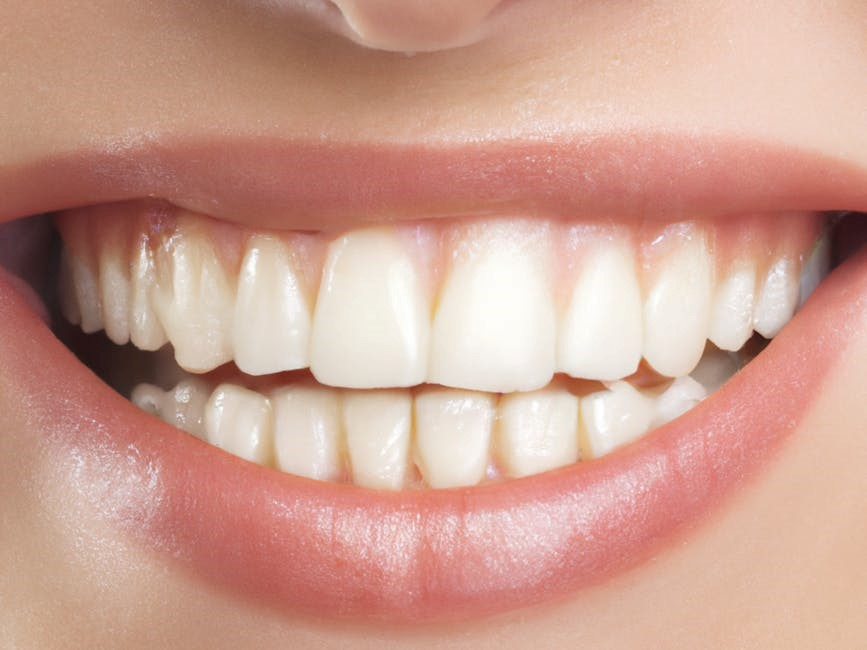
The Social Psychology of Smiling
Smiling transcends language, fostering rapport and trust effortlessly; it’s remarkably contagious, influencing those around you positively and enhancing communication significantly.
Utilize smiling strategically to build connections, navigate social interactions, and create a more welcoming and positive atmosphere for everyone involved.
Smiling and Building Rapport
A warm smile is a cornerstone of effective communication and a powerful tool for establishing immediate rapport with others. It signals openness, friendliness, and approachability, instantly putting people at ease.
When you smile at someone, you subconsciously convey trustworthiness and sincerity, encouraging them to reciprocate with positive feelings. This creates a virtuous cycle of positive interaction, strengthening the connection between you.
Smiling demonstrates empathy and understanding, even without words. It shows that you are engaged and receptive to the other person’s perspective, fostering a sense of mutual respect and connection. This is particularly crucial in professional settings, negotiations, and building lasting relationships.
Furthermore, a genuine smile can diffuse tension and resolve conflicts more effectively than a stern or neutral expression. It softens your demeanor and invites collaboration, making it easier to find common ground and reach mutually beneficial outcomes. Remember, a simple smile can be the first step towards building a strong and lasting rapport.
The Contagious Nature of Smiles
The phenomenon of smile contagion is a fascinating aspect of human behavior, rooted in our neurological wiring. Mirror neurons in the brain fire both when we perform an action and when we observe someone else performing that same action, including smiling.
This neurological mirroring explains why smiles are so readily “caught” – witnessing a smile automatically triggers a similar response in our own brains, prompting us to smile back. It’s an involuntary, almost reflexive reaction, demonstrating the deeply ingrained social nature of humans.
This contagious effect extends beyond simple mimicry; it also influences our emotional state. Smiling, even if initially forced, can actually elevate our mood and release endorphins, creating a positive feedback loop.
By consciously choosing to smile, you not only improve your own well-being but also contribute to a more positive and uplifting environment for those around you, spreading joy and fostering a sense of connection.
Using Smiling to Enhance Communication
A genuine smile serves as a powerful nonverbal cue, significantly enhancing communication and fostering stronger interpersonal connections. It instantly conveys warmth, approachability, and sincerity, making you more likable and trustworthy to others.
During conversations, smiling demonstrates active listening and engagement, signaling to the speaker that you are attentive and receptive to their message. It creates a more relaxed and comfortable atmosphere, encouraging open and honest dialogue.
In professional settings, a well-timed smile can build rapport with clients and colleagues, facilitating smoother negotiations and collaborative efforts. It projects confidence and competence, enhancing your overall credibility.
However, it’s crucial to ensure your smile is authentic and appropriate for the context. A forced or insincere smile can be perceived as disingenuous, undermining your communication efforts. Use it thoughtfully to amplify your message and build meaningful relationships.